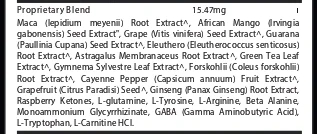
Ingredient profile: 5 more blend lines
Forskolin, Cayenne, Grapefruit Seed, Raspberry Ketones and Licorice in Glyco Defender
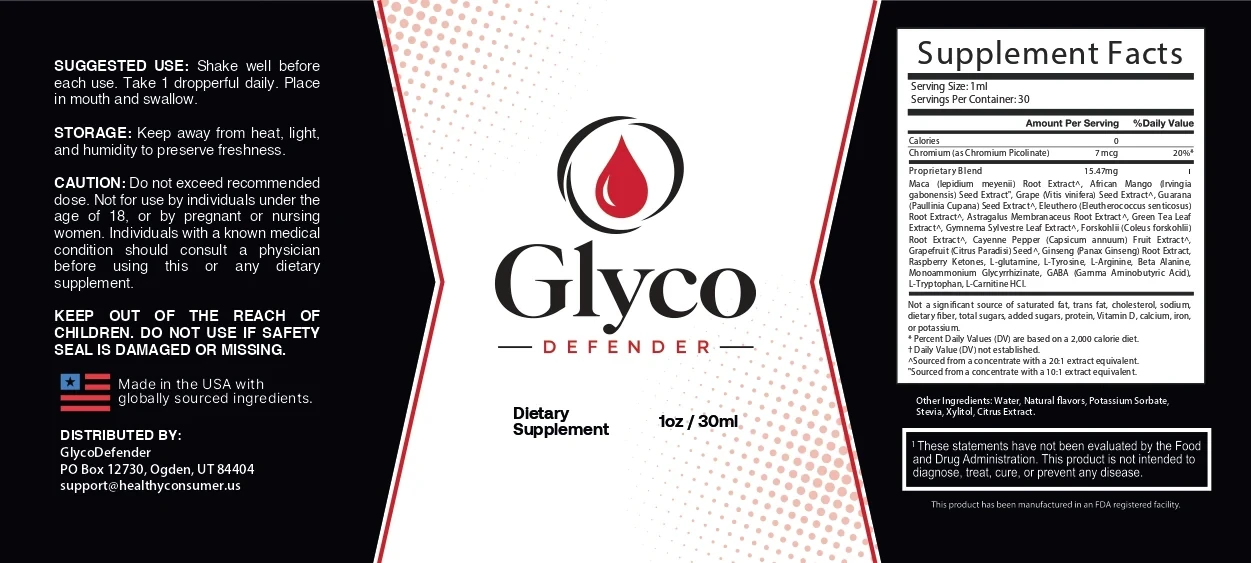
The other Glyco Defender blend herbs are forskolin (coleus root), cayenne pepper, grapefruit seed, raspberry ketones and a licorice compound called monoammonium glycyrrhizinate. They sit 9th to 18th of 21 in a 15.47 mg blend, so each holds under 2 mg per dropper. Most are sold for weight loss, and none has good evidence for blood sugar.
Written by the Glyco Defender label deskUpdated
The five lines01
What are the other herbs in the Glyco Defender blend?
The other blend herbs are five lines that sit between the better-known plants and the amino acids. Three are plant extracts, one is a compound found in raspberries and one is a salt of glycyrrhizin from licorice root.
Each ceiling below is 15.47 mg divided by the place number, because blends list ingredients from heaviest to lightest (21 CFR 101.36 (eCFR)).
| Line | Place | Most per dropper | Amount used in research |
|---|---|---|---|
| Forskohlii (coleus) root | 9 | 1.7 mg | 500 mg a day of 10% forskolin extract (NIH ODS, Dietary Supplements for Weight Loss) |
| Cayenne pepper fruit | 10 | 1.5 mg | 2-4 mg capsaicin a day (NIH ODS, Dietary Supplements for Weight Loss) |
| Grapefruit seed | 11 | 1.4 mg | No studied dose found |
| Raspberry ketones | 13 | 1.2 mg | Only in combination products (OPSS (DoD), Raspberry Ketone) |
| Monoammonium glycyrrhizinate | 18 | 0.86 mg | No studied dose found |
Forskolin02
Does forskolin help with weight or blood sugar?
Forskolin showed no effect on body weight in three small trials at 500 mg a day (NIH ODS, Dietary Supplements for Weight Loss). Studies proving its safety and effectiveness are lacking (MSKCC, Forskolin (Coleus forskohlii)).
At 1.7 mg or less, Glyco Defender gives about a third of one percent of that trial dose. Forskolin can still lower blood pressure and may raise bleeding risk with warfarin (MSKCC, Forskolin (Coleus forskohlii)).
Cayenne03
Does cayenne pepper extract boost metabolism?
Only slightly, if at all. Capsaicin at 2-4 mg a day did not significantly change weight over 12 weeks, and an insulin link rests on one study (NIH ODS, Dietary Supplements for Weight Loss) (MSKCC, Cayenne (Capsicum)).
Glyco Defender's cayenne extract tops out at 1.5 mg, and only part of an extract is capsaicin. Cayenne can irritate the stomach and may worsen cough with ACE-inhibitor blood pressure drugs (MSKCC, Cayenne (Capsicum)).
Grapefruit seed04
Can grapefruit seed interact with medicines?
Possibly. Grapefruit blocks a gut enzyme that breaks down some statins, blood pressure drugs, heart-rhythm drugs and anti-anxiety drugs, so they can build up (FDA, Grapefruit juice and drugs).
The FDA research covers grapefruit juice, not seed extract, and Glyco Defender holds 1.4 mg or less. Ask a pharmacist whether your medicine is one of the affected ones.
Do not skip or change a prescription because of a supplement. Bring the bottle to your pharmacist so they can check every line.
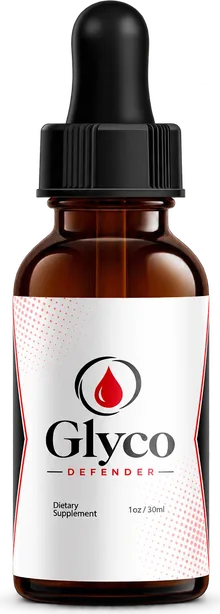
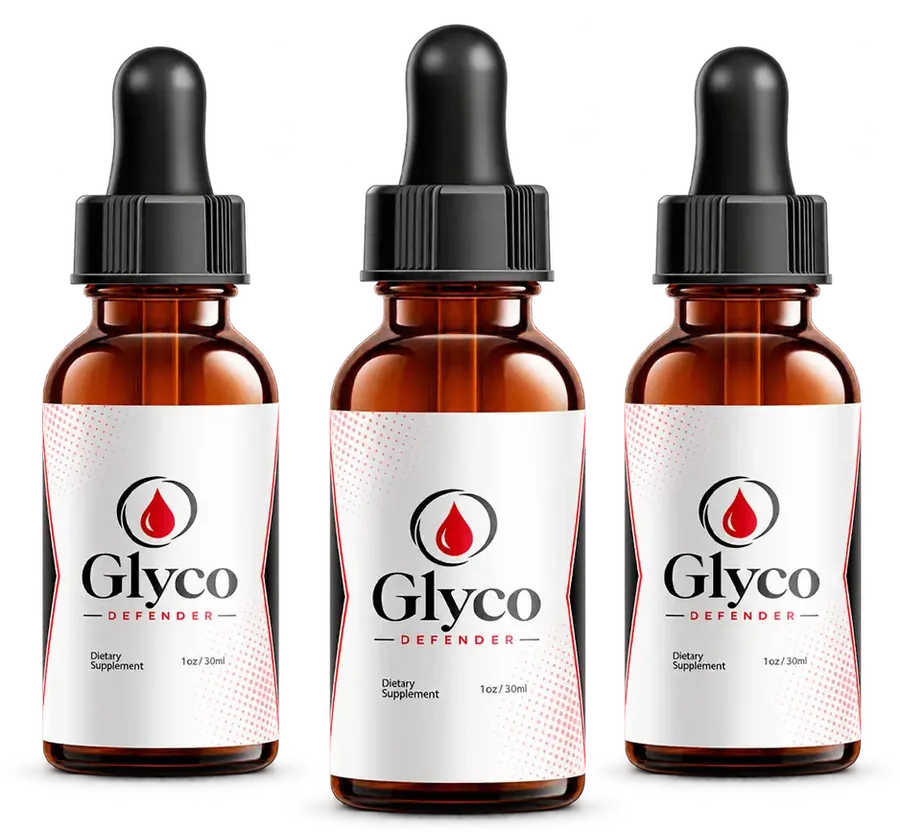
Glyco Defender: from $49 a bottle30 mL · 1, 3 or 6 bottles · free US shipping on 6 · 60-day money-back guarantee
See packsRaspberry ketones05
Do raspberry ketones work?
There is no evidence that raspberry ketone supplements are safe or effective for weight loss. Human studies only tested mixed products, so no result can be pinned on the ketone itself (OPSS (DoD), Raspberry Ketone).
Supplements sold on their own use 100-1,400 mg a day. Glyco Defender holds 1.2 mg or less, far below that range.
Licorice06
Is licorice glycyrrhizin a blood pressure risk?
Yes, in large or long-term amounts. Glycyrrhizin can cause an irregular heartbeat, and people with high blood pressure may be at risk even from small amounts (NCCIH, Licorice Root).
The label line, monoammonium glycyrrhizinate, is a licorice salt often used as a sweetener. It sits 18th, at 0.86 mg or less. If you have high blood pressure or take corticosteroids, ask first. More on Glyco Defender side effects.
Label profiles07
What does the label show for each of these five lines?
Each profile repeats one label line beside the research. Amounts are ceilings from label order, not lab values.
Four of the five are sold mainly for weight loss. See every Glyco Defender ingredient and the amino acid lines.
| Name on the label | Forskohlii (Coleus forskohlii) Root Extract |
|---|---|
| What it is | Plectranthus barbatus root (forskolin) |
| Place on the label | 9 of 21 in the 15.47 mg proprietary blend |
| Amount per mL (1 dropper) | Not listed; #9 of 21 in the 15.47 mg blend, so at most 1.72 mg per mL |
| Amount used in research | 500 mg a day of 10% forskolin extract |
| Strength of evidence | No weight effect in small trials |
| Marketed or traditional use | Sold for weight loss |
| Main caution | Can lower blood pressure; bleeding risk with blood thinners. |
| Name on the label | Cayenne Pepper (Capsicum annuum) Fruit Extract |
|---|---|
| What it is | Chili pepper (capsaicin) |
| Place on the label | 10 of 21 in the 15.47 mg proprietary blend |
| Amount per mL (1 dropper) | Not listed; #10 of 21 in the 15.47 mg blend, so at most 1.55 mg per mL |
| Amount used in research | 2-4 mg capsaicin a day |
| Strength of evidence | No significant weight change |
| Marketed or traditional use | Sold for metabolism |
| Main caution | Stomach irritation; cough with ACE inhibitors. |
| Name on the label | Grapefruit (Citrus Paradisi) Seed |
|---|---|
| What it is | Citrus paradisi seed |
| Place on the label | 11 of 21 in the 15.47 mg proprietary blend |
| Amount per mL (1 dropper) | Not listed; #11 of 21 in the 15.47 mg blend, so at most 1.41 mg per mL |
| Amount used in research | No studied dose found |
| Strength of evidence | Not established |
| Marketed or traditional use | Plant compounds |
| Main caution | Grapefruit can interact with statins and other prescription drugs. |
| Name on the label | Raspberry Ketones |
|---|---|
| What it is | Synthetic or raspberry-derived compound |
| Place on the label | 13 of 21 in the 15.47 mg proprietary blend |
| Amount per mL (1 dropper) | Not listed; #13 of 21 in the 15.47 mg blend, so at most 1.19 mg per mL |
| Amount used in research | Only tested in combination products |
| Strength of evidence | No human evidence alone |
| Marketed or traditional use | Sold for weight loss |
| Main caution | Safety not established. |
| Name on the label | Monoammonium Glycyrrhizinate |
|---|---|
| What it is | A glycyrrhizin salt made from licorice root |
| Place on the label | 18 of 21 in the 15.47 mg proprietary blend |
| Amount per mL (1 dropper) | Not listed; #18 of 21 in the 15.47 mg blend, so at most 0.86 mg per mL |
| Amount used in research | No studied dose found |
| Strength of evidence | Not established |
| Marketed or traditional use | Sweetener and flavor |
| Main caution | Large or long-term use can raise blood pressure and affect heart rhythm. |
FAQ08
Other blend herb questions
How much forskolin is in Glyco Defender?
The label does not say. Forskohlii root extract is 9th of 21, so each dropper holds at most 1.7 mg of extract, and only part of that is forskolin. Weight trials used 500 mg a day of a 10% forskolin extract and found no effect on body weight (NIH ODS, Dietary Supplements for Weight Loss).
Is Glyco Defender spicy from the cayenne?
Probably not noticeably, though the label does not describe the taste. Cayenne is 10th of 21, at 1.5 mg or less per dropper. The liquid also contains natural flavors, stevia and xylitol, and the sales page allows stirring the dropper into a glass of water.
Is grapefruit seed in Glyco Defender a problem with statins?
It could be, so ask a pharmacist. Grapefruit can raise levels of some statins (FDA, Grapefruit juice and drugs). The FDA warning is about the juice, and the drops hold 1.4 mg or less of seed, but a pharmacist can check your exact statin.
Are raspberry ketones in Glyco Defender a fat burner?
No evidence supports that. Raspberry ketones have only been tested inside mixed products, and their safety for weight loss is not established (OPSS (DoD), Raspberry Ketone). The drops hold 1.2 mg or less, while single-ingredient products use 100-1,400 mg a day.
What is monoammonium glycyrrhizinate on the Glyco Defender label?
It is a salt of glycyrrhizin, the sweet compound in licorice root. It sits 18th of 21, at 0.86 mg or less. Large or long-term licorice intake can raise blood pressure and affect heart rhythm (NCCIH, Licorice Root), so people with high blood pressure should check with a doctor.
Is the forskolin in Glyco Defender safe with blood thinners?
Ask your doctor first. Forskolin may increase bleeding risk with warfarin and other blood thinners (MSKCC, Forskolin (Coleus forskohlii)), and guarana carries a similar flag (MSKCC, Guarana). The amounts are tiny, but the decision belongs with your prescriber.
Who wrote this09
Written and reviewed by
Pages built from the label, the sales page and linked NIH, FDA, CDC, FTC and peer-reviewed sources.
Last updated . See our editorial standards and the way we check reviews. This website is run by a USA Authorized Glyco Defender Retailer, not by the manufacturer or the distributor. We earn money when you buy through our order links.
Keep reading
Related Glyco Defender pages
USA Authorized Glyco Defender Retailer
Ready to try Glyco Defender?
Review your medicines first, then choose a pack. Six bottles cost the least per bottle and ship free in the US, and every pack carries the 60-day money-back guarantee.
- Secure checkout on the sales page
- 60-day money-back guarantee
- Ships from the U.S.