Ingredient profile: place 3 of 21
Grape Seed Extract and Blood Sugar: What the Glyco Defender Label Really Holds
Grape seed extract is a polyphenol-rich powder made from the seeds of wine grapes. In Glyco Defender it is the 3rd of 21 blend ingredients, so one 1 mL dropper holds at most 5.2 mg. NIH reviews of small studies point to possible modest effects on cholesterol and blood pressure. They describe no proven blood sugar benefit.
Written by the Glyco Defender label deskUpdated
The ingredient01
Grape seed extract in Glyco Defender: what is it?
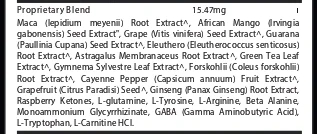
Grape seed extract is a concentrate pressed and purified from the small seeds of Vitis vinifera, the common wine grape. The Glyco Defender label lists it as "Grape (Vitis vinifera) Seed Extract".
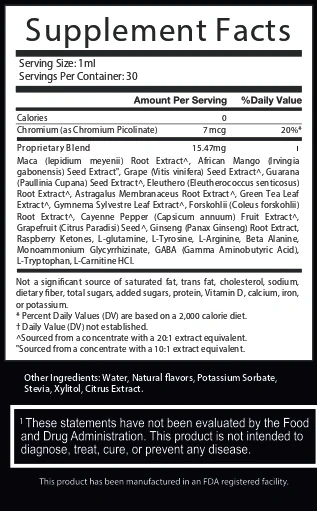
It is the third line of the 15.47 mg proprietary blend, right after maca root and African mango seed. Like eleven other plant lines, it carries a "^" mark for a 20:1 concentrate.
That ratio describes the making of the extract. It adds no weight: the blend total stays 15.47 mg.
About the photo
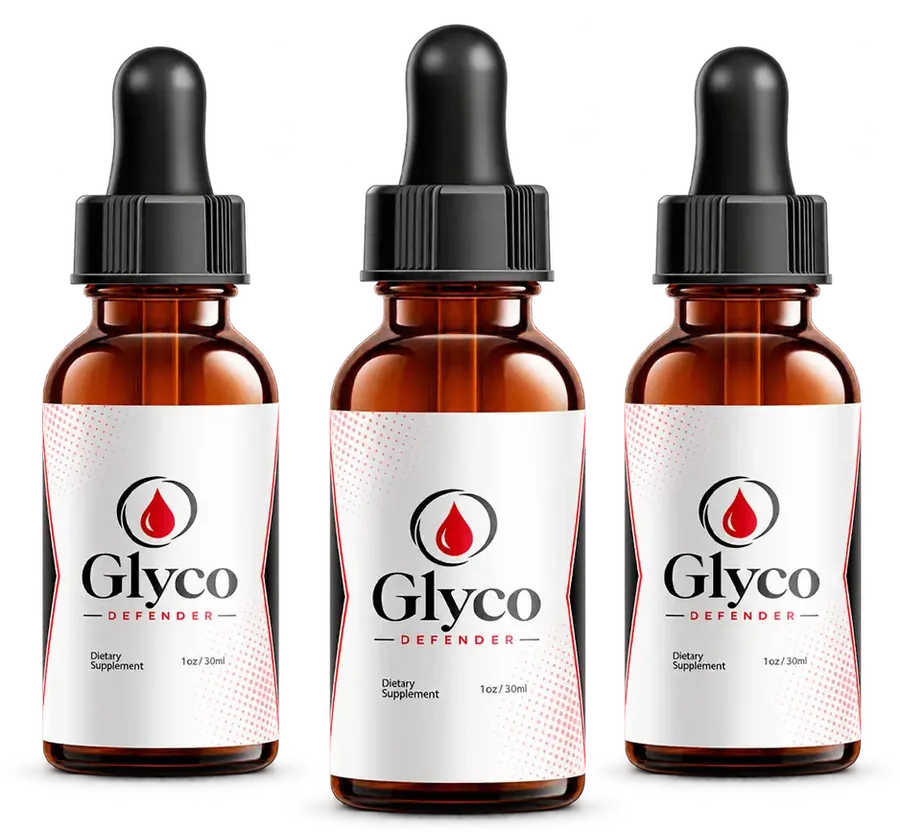
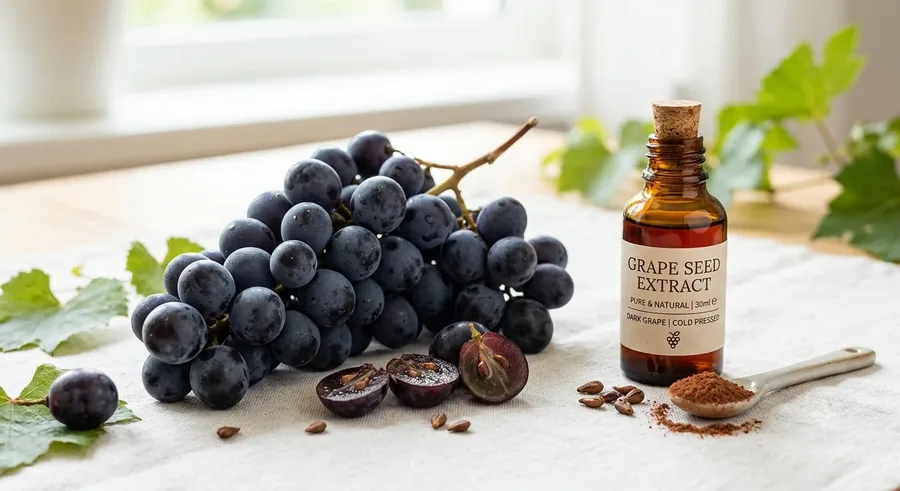
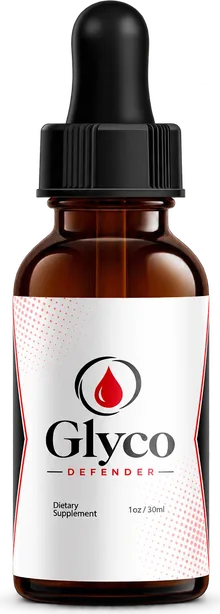
The brand image shows dark grapes, a spoon of reddish powder and a small amber bottle. That bottle is a studio prop. It is not a Glyco Defender bottle, which is a 30 mL dropper with a white label and a red drop logo.
Blood sugar evidence02
Does grape seed extract help blood sugar?
No reliable evidence shows that grape seed extract helps blood sugar. The NIH summary of grape seed research covers cholesterol, triglycerides and blood pressure, and even those findings are not definitive (NCCIH, Grape Seed Extract).
Reviews of small studies suggest grape seed extract may modestly lower LDL cholesterol, triglycerides and the bottom number of a blood pressure reading. "May" and "modest" are the key words. The trials were small and the effects were not firm enough to call settled.
Glucose is not on that list.
The wider picture is the same for most supplements. NCCIH finds weak evidence for only a few, such as chromium and cinnamon, and none for most herbs (NCCIH, Diabetes and Dietary Supplements). More context is in blood sugar supplements explained.
Label math03
How much grape seed is in one Glyco Defender dropper?
One Glyco Defender dropper holds at most 5.2 mg of grape seed extract. The label shows only the blend total and the order, so the exact amount is hidden (21 CFR 101.36 (eCFR)).
The ceiling comes from simple division. Grape seed is 3rd, and nothing below it can outweigh it, so it can take no more than a third of the blend: 15.47 / 3 = 5.16 mg.
The floor is unknown. On an even split of 21 ingredients, each would hold about 0.74 mg. The true figure sits somewhere at or below the ceiling.
| Measure | Value | Where it comes from |
|---|---|---|
| Serving | 1 mL, one dropper | Supplement Facts panel |
| Whole blend | 15.47 mg | Supplement Facts panel |
| Grape seed place | 3 of 21 | Blend order, heaviest first |
| Most per dropper | 5.2 mg | 15.47 / 3 |
| Even split | About 0.74 mg | 15.47 / 21 |
| Per 30-day bottle | At most about 155 mg in total | 5.16 mg x 30 droppers |
| Blood sugar dose in research | Not established | NCCIH summary (NCCIH, Grape Seed Extract) |
All 22 lines are worked the same way on the ingredients overview.
Polyphenols04
What are the polyphenols in grape seed extract?
Polyphenols are plant compounds found in fruit skins, seeds, tea and cocoa. Grape seeds are a rich source, which is why grape seed extract is sold mainly for its polyphenol content.
Labels and ads often call polyphenols "antioxidants". That word describes what they do in a test tube. It does not prove a health effect in people, and the FTC says lab results alone cannot back a health claim (FTC, Health Products Compliance Guidance).
The Glyco Defender label does not state a polyphenol amount or a standardization percentage for its grape seed line. So there is no way to know how much polyphenol a dropper delivers.
- Grape seed polyphenol amount on the label: not printed
- Human research focus: blood fats and blood pressure, not glucose (NCCIH, Grape Seed Extract)
Safety05
Is grape seed extract safe to take every day?
Grape seed extract is generally well tolerated in studies, according to NCCIH. Little is known about its safety in pregnancy or breastfeeding (NCCIH, Grape Seed Extract).
The Glyco Defender label already excludes pregnant and nursing women, along with anyone under 18. At 5.2 mg or less a day, grape seed is unlikely to be the line that causes trouble.
The bigger watch points in the same bottle are elsewhere: caffeine from guarana and green tea, and xylitol, which is dangerous to dogs (FDA, Paws Off Xylitol). Those are covered on Glyco Defender side effects.
A supplement is never a reason to skip, cut or stop a prescription. If you use diabetes or blood pressure medicine, show your care team the full label before you begin.
Glyco Defender: from $49 a bottle30 mL · 1, 3 or 6 bottles · free US shipping on 6 · 60-day money-back guarantee
See packsLabel order06
Why is grape seed third on the Glyco Defender label?
Grape seed is third because it weighs less than maca and African mango and more than the 18 lines after it. Blend lists must run from most to least by weight (21 CFR 101.36 (eCFR)).
The label does not explain why the maker picked grape seed, or why it outweighs gymnema and ginseng, the two herbs with actual glucose studies. Readers can only judge the order, not the reasons.
Right behind it
Guarana seed (4th), a caffeine source, then eleuthero and astragalus roots.
Far below it
Gymnema (8th) and Panax ginseng (12th), the lines with small glucose trials at much larger doses.
Weighing it07
Is Glyco Defender grape seed worth paying for?
Not as a grape seed source. Glyco Defender grape seed tops out near 5.2 mg a day, its polyphenol content is not stated, and its research points to blood fats rather than blood sugar.
It is a well-tolerated, clearly labeled line in a formula that has to be judged as a whole. That whole includes 7 mcg of chromium, a blend with hidden amounts and a 60-day money-back guarantee.
In favor
- Generally well tolerated in studies
- Third place gives it a larger share than most lines
- Named clearly with its Latin plant name
Against
- No blood sugar evidence
- No polyphenol amount printed
- Exact milligrams hidden in the blend
Label profile08
What does the grape seed label line say, point by point?
The profile below repeats the grape seed line from the label and sets it beside the research. The amount is a ceiling from label order, not a lab measurement.
The complete typed label sits on the Glyco Defender supplement facts page.
| Name on the label | Grape (Vitis vinifera) Seed Extract |
|---|---|
| What it is | Vitis vinifera seed |
| Place on the label | 3 of 21 in the 15.47 mg proprietary blend |
| Amount per mL (1 dropper) | Not listed; #3 of 21 in the 15.47 mg blend, so at most 5.16 mg per mL |
| Amount used in research | Studied for other uses |
| Strength of evidence | Not established for blood sugar |
| Marketed or traditional use | Plant polyphenols |
| Main caution | Generally well tolerated. |
FAQ09
Grape seed questions
Does grape seed extract lower A1C?
No study we found shows that it does. NCCIH describes possible modest effects on LDL cholesterol, triglycerides and blood pressure, not on A1C or fasting glucose (NCCIH, Grape Seed Extract). Glyco Defender itself has never been tested for A1C or any other blood sugar measure.
How many mg of grape seed extract is in Glyco Defender?
The label does not say. Grape seed is 3rd of 21 in a 15.47 mg blend, so each dropper holds at most 5.2 mg. Split evenly, it would come to about 0.74 mg. The real amount lies at or below the ceiling.
Is the grape seed in Glyco Defender the same as grapefruit seed?
No. Grape seed comes from wine grapes (Vitis vinifera) and sits 3rd on the label. Grapefruit seed comes from a citrus fruit (Citrus paradisi) and sits 11th. Grapefruit can interact with some prescription drugs (FDA, Grapefruit juice and drugs).
Does grape seed extract interact with medicines?
NCCIH calls grape seed extract generally well tolerated and does not flag a major drug interaction in its summary (NCCIH, Grape Seed Extract). Other Glyco Defender lines do interact with medicines, so a pharmacist should review the whole label, not one line.
What does the ^ mark next to grape seed mean?
The ^ mark means the extract came from a 20:1 concentrate, so about 20 parts of raw seed went into one part of extract. It describes the making of the extract. It does not add milligrams to the 15.47 mg blend.
Is grape seed extract good for blood pressure?
Small studies hint at a modest drop in diastolic blood pressure, but NCCIH says the findings are not definitive (NCCIH, Grape Seed Extract). Glyco Defender holds at most 5.2 mg of grape seed, and nobody has tested the drops on blood pressure.
Is the amber bottle in the grape seed photo Glyco Defender?
No. The small amber bottle in the brand's grape seed photo is a prop. Glyco Defender comes in a 30 mL amber dropper bottle with a black bulb and a white label carrying a red drop in a black ring.
Who wrote this10
Written and reviewed by
Pages built from the label, the sales page and linked NIH, FDA, CDC, FTC and peer-reviewed sources.
Last updated . See our editorial standards and the way we check reviews. This website is run by a USA Authorized Glyco Defender Retailer, not by the manufacturer or the distributor. We earn money when you buy through our order links.
Keep reading
Related Glyco Defender pages
USA Authorized Glyco Defender Retailer
Ready to try Glyco Defender?
Review your medicines first, then choose a pack. Six bottles cost the least per bottle and ship free in the US, and every pack carries the 60-day money-back guarantee.
- Secure checkout on the sales page
- 60-day money-back guarantee
- Ships from the U.S.