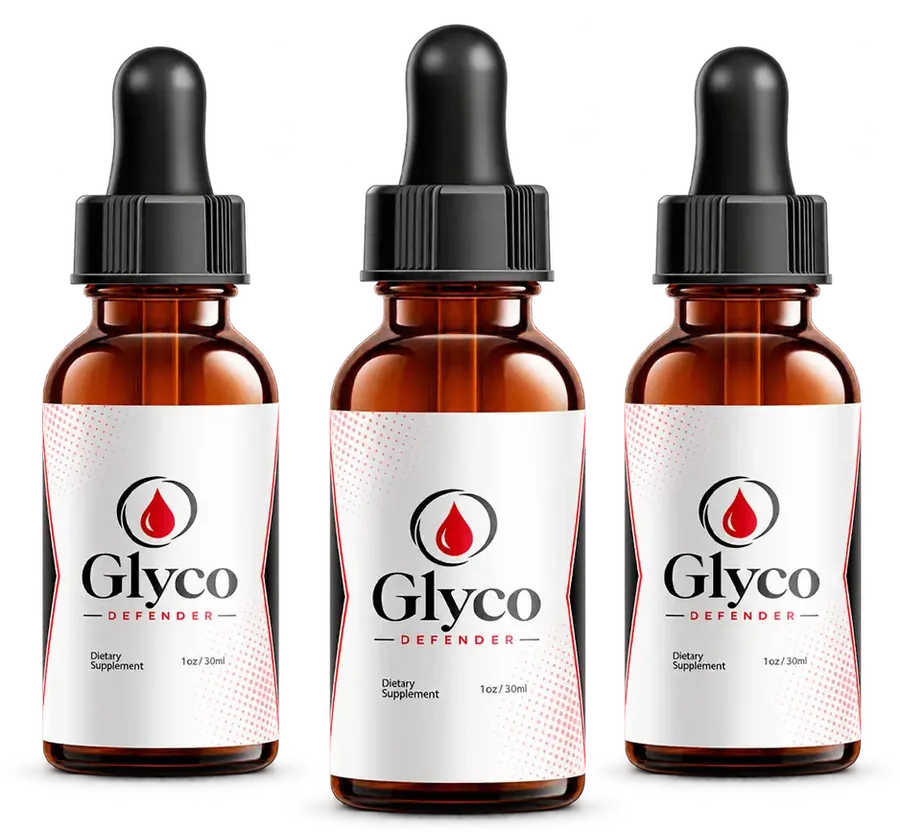
African mango
African Mango (Irvingia gabonensis) in Glyco Defender: Seed Extract, Dose and Evidence
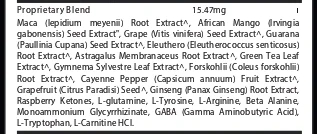
African mango (Irvingia gabonensis) is a tree seed extract sold mostly for weight management. Glyco Defender lists it second of 21 in a 15.47 mg blend, so one dropper holds at most 7.7 mg. The one small trial on record used 300 mg a day, and human blood sugar data are limited.
Written by the Glyco Defender label deskUpdated
The plant01
What is African mango (Irvingia gabonensis)?
African mango is the common name for Irvingia gabonensis, a tree whose seeds are made into supplement extracts. It is a different plant from the mango sold in grocery stores.
The extract is marketed mainly for weight management. Memorial Sloan Kettering rates the weight evidence as weak and notes that human blood sugar data are limited (MSKCC, Irvingia gabonensis (African mango)).
Glyco Defender uses the seed, as the label line "African Mango (Irvingia gabonensis) Seed Extract" makes clear.
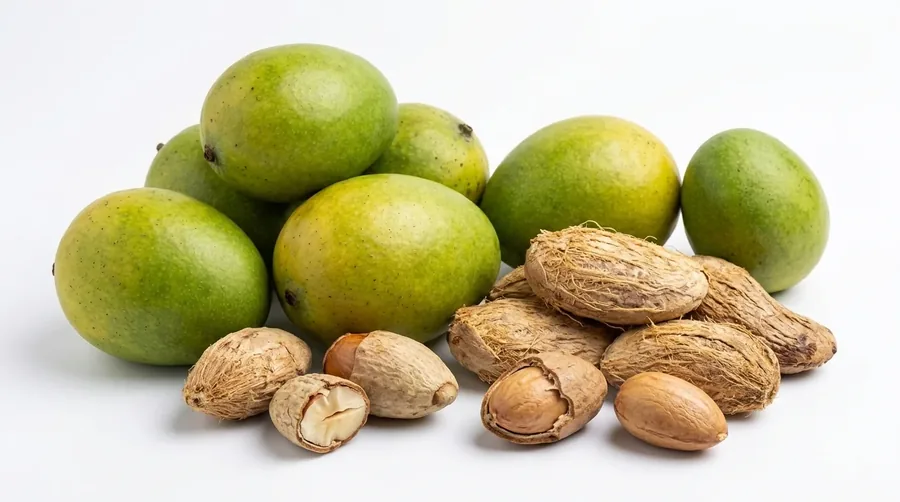
Seed, not fruit
The fleshy fruit is not what goes into the drops. Its seed is the part extracted, and that extract shares one blend with 20 other ingredients.
On the label02
Why is African mango second in the Glyco Defender blend?
African mango is second because only maca root weighs more in the Glyco Defender blend. Blend ingredients are listed from heaviest to lightest (21 CFR 101.36 (eCFR)).
Second place sets a ceiling of 15.47 / 2 = about 7.7 mg per dropper. That is the largest amount any herb on the label except maca could hold.
The label marks this line with a quote sign, meaning a 10:1 concentrate. It tells you about ten parts of raw seed went into one part extract. It does not add weight: the blend is still 15.47 mg in total.
| Name on the label | African Mango (Irvingia gabonensis) Seed Extract |
|---|---|
| What it is | Irvingia gabonensis seed |
| Place on the label | 2 of 21 in the 15.47 mg proprietary blend |
| Amount per mL (1 dropper) | Not listed; #2 of 21 in the 15.47 mg blend, so at most 7.74 mg per mL |
| Amount used in research | 150 mg twice a day (300 mg) |
| Strength of evidence | Weak, small trials |
| Marketed or traditional use | Sold for weight management |
| Main caution | Gas, headache, sleep problems; caution with diabetes drugs. |
Research03
What does research say about African mango?
Research on African mango is thin. Most studies are small and poorly designed, and they focus on weight, not blood sugar (MSKCC, Irvingia gabonensis (African mango)).
The NIH Office of Dietary Supplements describes one small 10-week trial. People took 150 mg before lunch and again before dinner, 300 mg a day in total (NIH ODS, Dietary Supplements for Weight Loss).
A possible glucose-lowering effect has been seen in rats. That is not the same as evidence in people (MSKCC, Irvingia gabonensis (African mango)).
| Source | Finding | Strength |
|---|---|---|
| Memorial Sloan Kettering (MSKCC, Irvingia gabonensis (African mango)) | Weight loss studies are small, with poor methods | Weak |
| Memorial Sloan Kettering (MSKCC, Irvingia gabonensis (African mango)) | Human blood sugar data are limited; rat data suggest an added effect with diabetes drugs | Very limited |
| NIH ODS (NIH ODS, Dietary Supplements for Weight Loss) | 150 mg twice a day for 10 weeks in one small trial | Limited |
| Glyco Defender itself | No trial published | Not published |
The math04
How does Glyco Defender African mango compare with the studied dose?
Glyco Defender's African mango reaches at most 2.6% of the studied daily dose. The ceiling is 7.7 mg per dropper against 300 mg in the trial.
The real share could be much lower. On an even split of the blend, African mango would get about 0.74 mg, which is 0.25% of 300 mg.
Matching the trial at the ceiling would take about 39 droppers in a day, well over a full bottle. The label allows one.
Ceiling
15.47 / 2 = 7.7 mg per dropper at the very most.
Even split
15.47 / 21 = about 0.74 mg per dropper.
Trial dose
7.7 / 300 = 2.6%; 0.74 / 300 = 0.25%.
In numbers05
What are the Glyco Defender African mango numbers?
The Glyco Defender African mango numbers are place 2, at most 7.7 mg per dropper, and 300 mg a day in the one small trial.
The label prints none of them as an African mango amount.
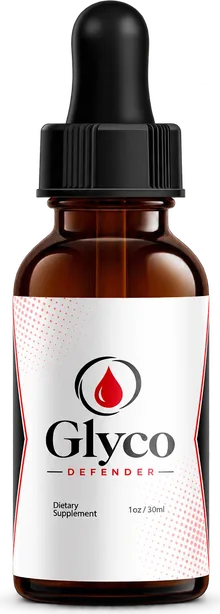
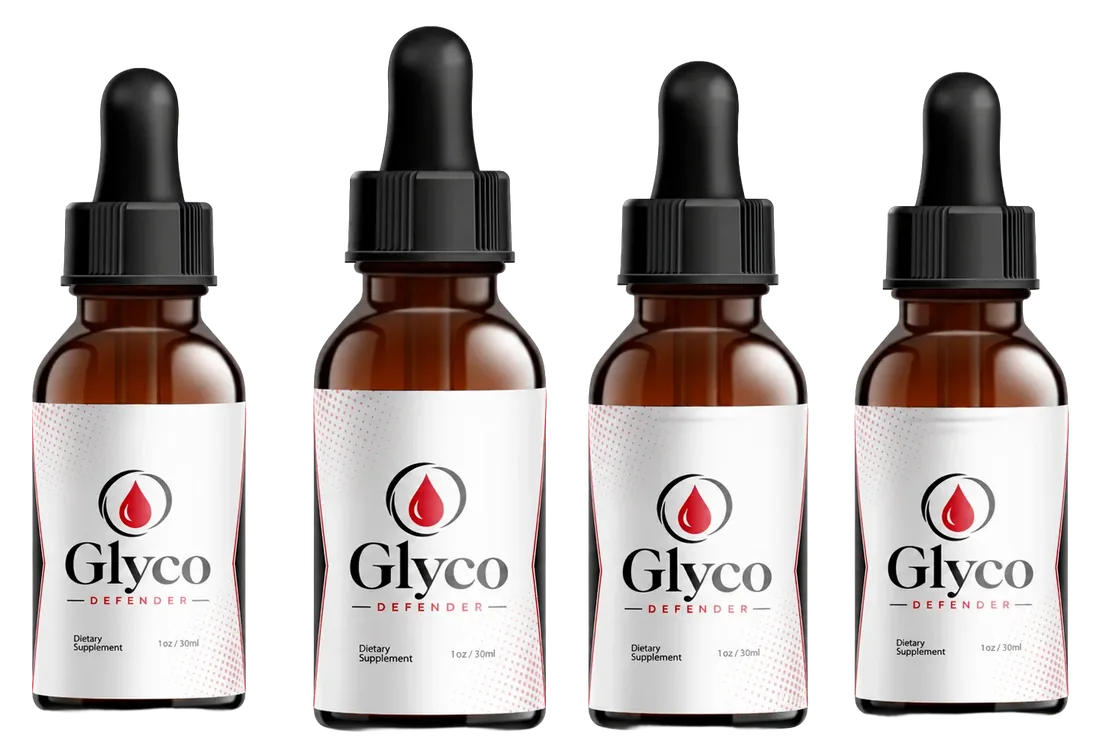
Glyco Defender: from $49 a bottle30 mL · 1, 3 or 6 bottles · free US shipping on 6 · 60-day money-back guarantee
See packsWeight and glucose06
Does Glyco Defender African mango help with weight or blood sugar?
There is no good evidence that it does, at any dose, and the drops hold very little. The weight studies are weak and the human glucose data are sparse (MSKCC, Irvingia gabonensis (African mango)) (NIH ODS, Dietary Supplements for Weight Loss).
The sales page leans on its blend as a whole, not on African mango alone. Without a trial of the product, the honest answer is "unknown". Our guide to blood sugar supplements explains why single-herb studies do not carry over to a mix.
In its favor
- Named in full on the label, with the plant part
- Second place allows the biggest possible share after maca
- Some small weight trials exist
Against it
- At most 7.7 mg, a sliver of 300 mg
- Weak study methods
- Blood sugar effect seen only in rats
Safety07
What are the side effects of African mango?
Reported side effects of African mango include gas, headache and trouble sleeping. One case of kidney failure needing dialysis has also been reported (MSKCC, Irvingia gabonensis (African mango)).
That kidney case is a single report, not a pattern. Still, people with kidney disease should check with a doctor before taking any herbal extract.
Memorial Sloan Kettering lists diabetes medicines as a caution, because the rat data hint at a stacked effect on glucose (MSKCC, Irvingia gabonensis (African mango)).
No seed extract replaces a prescription. Stay on your medicines as directed and talk to your care team before adding the drops. The full list of cautions is on Glyco Defender side effects.
Related08
Which ingredient pages cover the rest of the Glyco Defender blend?
Each part of the Glyco Defender blend has its own profile. Maca, the only line above African mango, shares a page with eleuthero and astragalus.
Grape seed sits third, right below African mango. Read maca and the adaptogens and grape seed extract.
FAQ09
African mango questions about Glyco Defender
Is African mango the same as regular mango?
No. African mango is Irvingia gabonensis, a separate tree from the common mango sold in stores. Supplements use its seed. Glyco Defender lists the seed extract second in its blend.
Which part of African mango does Glyco Defender use?
The seed. The label reads "African Mango (Irvingia gabonensis) Seed Extract" with a quote mark that points to a 10:1 concentrate. The brand photo shows fruit and seeds together, but only the seed extract goes into the drops.
How much African mango was used in the trial?
The small trial described by the NIH Office of Dietary Supplements used 150 mg before lunch and 150 mg before dinner, 300 mg a day, for 10 weeks (NIH ODS, Dietary Supplements for Weight Loss). A Glyco Defender dropper holds at most 7.7 mg.
Can African mango cause kidney problems?
One case of kidney failure needing dialysis was reported in someone using African mango (MSKCC, Irvingia gabonensis (African mango)). A single case does not prove the herb caused it. Anyone with kidney disease should ask a doctor before using products that contain it.
Does African mango help you lose weight?
The evidence is weak. Memorial Sloan Kettering notes that most weight studies were small and poorly designed (MSKCC, Irvingia gabonensis (African mango)), and NIH calls the evidence limited (NIH ODS, Dietary Supplements for Weight Loss). A dropper of Glyco Defender holds far less than the amounts tested.
Is African mango safe with diabetes medicines?
Use caution. Memorial Sloan Kettering lists diabetes medicines as a concern because rat studies suggest an added glucose-lowering effect (MSKCC, Irvingia gabonensis (African mango)). If you take insulin or a sulfonylurea, ask your doctor before starting Glyco Defender.
What does the 10:1 mark next to African mango mean?
It means the extract came from a concentrate made from about ten parts raw seed to one part extract. The ratio describes how it was made. It does not add milligrams; the whole blend still weighs 15.47 mg per dropper.
Who wrote this10
Written and reviewed by
Pages built from the label, the sales page and linked NIH, FDA, CDC, FTC and peer-reviewed sources.
Last updated . See our editorial standards and the way we check reviews. This website is run by a USA Authorized Glyco Defender Retailer, not by the manufacturer or the distributor. We earn money when you buy through our order links.
Keep reading
Related Glyco Defender pages
USA Authorized Glyco Defender Retailer
Ready to try Glyco Defender?
Review your medicines first, then choose a pack. Six bottles cost the least per bottle and ship free in the US, and every pack carries the 60-day money-back guarantee.
- Secure checkout on the sales page
- 60-day money-back guarantee
- Ships from the U.S.